
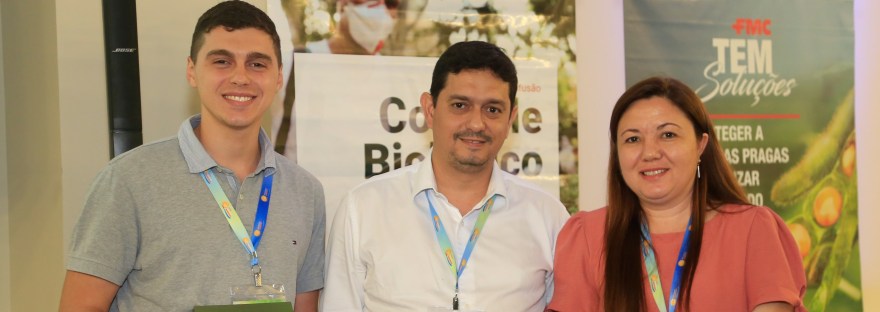
The Brazilian Invertebrate Neurobiology and Physiology Laboratory (BraIN&Phy) is at the forefront of groundbreaking research aimed at understanding the detrimental effects of environmental stressors on pollinators. Under the leadership of a dedicated team of researchers, including undergraduate student and intern Thiago Svacina, BraIN&Phy is making significant strides in uncovering the impacts of agricultural pesticides on honeybee colonies, specifically focusing on the honey bee species, Apis mellifera.
Representing the collaborative efforts of the entire lab team, Thiago Svacina’s work earned him first place in the undergraduate student competition for oral presentations at the XXVIII Brazilian Congress of Entomology, in 2022. The team’s study, titled “SmartTracking: A VERSATILE MULTI-TARGET TRACKING SYSTEM FOR AUTOMATION OF PESTICIDE EFFECTS ON HONEYBEES AT COLONY LEVELS,” addresses the challenges of measuring pesticide effects on colonies level, which have proven to be difficult to assess accurately.
The team’s research highlights the urgent need to comprehend the unintended consequences of agricultural pesticides on honeybee colonies. To tackle this challenge, the BraIN&Phy Lab has developed a cutting-edge multi-target video tracking system known as SmartTracking. This innovative technology allows for the identification, quantification, and analysis of individual trajectories and interactions within the hive, providing crucial insights into the effects of pesticides on honeybee colonies.
The BraIN&Phy Lab’s work is instrumental in our pursuit of a sustainable future. By unraveling the intricate relationship between environmental stressors and pollinators, the team’s research contributes to the protection and preservation of these essential species, as well as the overall ecological balance. Their dedication and passion exemplify the transformative power of scientific research, driving positive change and informing conservation efforts.
The achievements of the BraIN&Phy Lab team, represented by Thiago Svacina, inspire aspiring scientists and underscore the pivotal role of pollinators in maintaining biodiversity and global food production. Through their ongoing efforts, the team aims to advance our understanding of the impact of agricultural pesticides on honeybee colonies, paving the way for informed policies and sustainable practices.
 BraIN&Phy Lab